
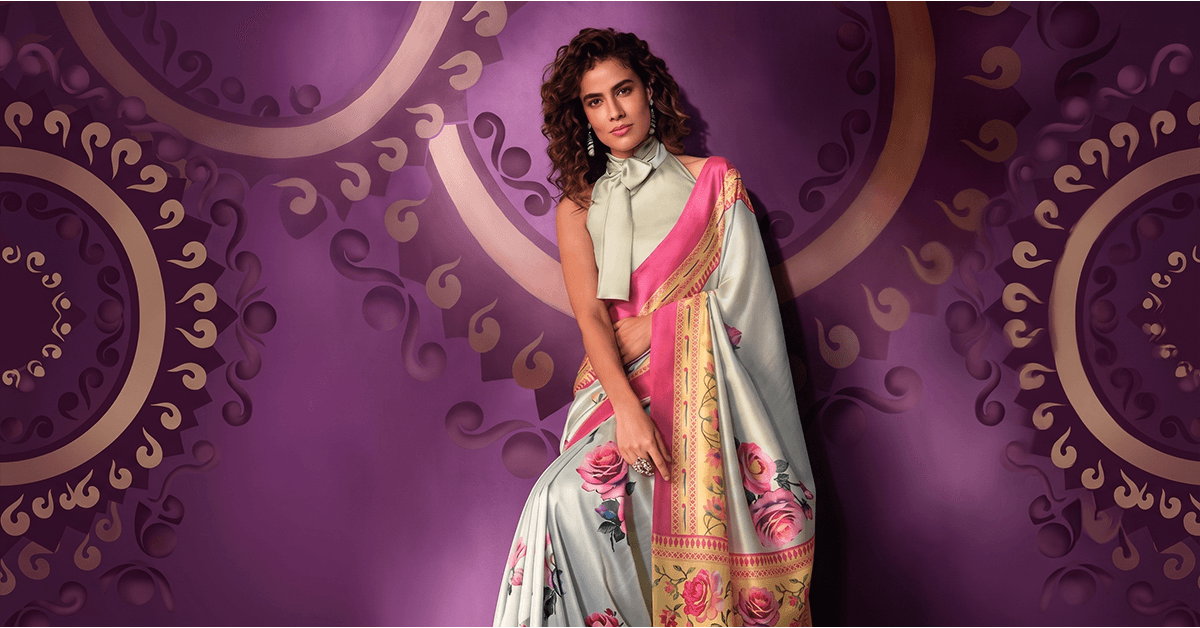
Some sarees look beautiful. A Banarasi feels storied even before the pallu falls in place. If you have asked what a banarasi saree is, the short answer is simple. It is a saree woven in Banaras or the Varanasi region, known for silk, zari, and rich motifs. The fuller answer has more texture. We see it as craft, ceremony, and memory in one drapery. That is why what a banarasi saree is is never only a style question. It is a cultural one too.
What is a Banarasi Saree?
Meaning
The banarasi saree's meaning begins with its place of origin. Banaras is the old name for Varanasi, one of India’s best-known weaving centers. So, a banarasi saree means a saree from this weaving tradition, marked by brocade work, silk body, and detailed motifs. If you are still wondering what a banarasi saree is, think of a festive saree with a strong weave, a rich fall, and zari that catches light without shouting for attention.
The banarasi saree's meaning carries emotion too. This weave is linked with wedding trunks, family rituals, and heirloom dressing. A Banarasi often feels grand, yet it does not feel loud. That balance matters.
History of Banarasi Saree
The history of banarasi saree is tied to Banaras and its long weaving culture. Many style guides trace the major rise of the weave to the Mughal period, when Persian floral ideas met Indian design language. That is where much of the familiar look comes from: bels, butis, jaal work, and ornate borders.
The history of banarasi saree matters for one more reason. It explains why the saree still carries status. It was shaped by skilled handloom work, courtly taste, and slow making. The craft later received GI recognition as Banaras Brocades and Sarees, which helps protect its regional identity.

What Makes Banarasi Sarees Unique & Famous?
Many readers ask what is special about banarasi saree. We would answer in three parts: fabric, zari, and patience. You can spot the difference even from a few feet away.
Fabric and Weaving Techniques
A Banarasi usually uses silk as its base. The weave feels firm, smooth, and structured. Some pieces are woven on handlooms, and that gives the saree a living feel. Tiny variations can appear. That is not a flaw. That is the hand at work.
Zari Work and Motifs
What is special about banarasi saree for many buyers comes down to zari. The motifs often carry Mughal influence, with floral vines, kalga, bel, paisley, and dense butis. Good zari has a soft glow. It should not look harsh or flashy. This is one reason banarasi saree varieties keep their charm across age groups.
Time Taken to Make One Saree
A true Banarasi is not rushed. Depending on the weave and detail, one saree can take weeks and at times months. That slow pace is part of the value. You are not buying surface shine alone. You are buying time, labour, and trained skill.
Different Banarasi Saree Types: A Complete Fabric Guide
When people search for banarasi saree types, they usually want a clear fabric guide. The main banarasi saree types are grouped by base fabric, weight, and use. These are the most asked ones. They cover the main types of banarasi fabric you should know.
Katan Silk Banarasi Saree
Katan is the classic choice. It is woven with pure silk yarn and has a rich, dressy fall. Among all banarasi saree types, this is the one most linked with bridal and heirloom buying.
Organza or Kora Banarasi Saree
Kora feels lighter and more sheer. It gives you zari detail without the same weight as Katan. Kora stands out for day weddings and festive dressing.
Georgette Banarasi Saree
Georgette brings more fluidity. It drapes faster and feels easier for long wear. That makes it a practical pick for receptions, parties, and repeat use.
Shattir Banarasi Saree
Shattir is known for fashion-led design variation. It often feels more experimental than Katan. Among the many banarasi saree varieties in the market, Shattir gives room for trend-led styling without losing the Banarasi base.

How to Style a Banarasi Saree
If your next question is what to wear with a banarasi saree, keep the answer simple. Let the saree lead. A fitted blouse, clean pleats, and jewellery with restraint usually work best. Gold jewellery suits deep jewel tones. Pearls work well with softer shades. A neat bun or open hair with a clear parting keeps the look polished.
For a modern mood, pair the saree with a plain blouse or pick contrast sleeves. If you are deciding what to wear with a banarasi saree for a wedding, stay close to classic styling first. Banarasi fabric already carries a lot of visual weight.
How to Identify an Authentic Banarasi Saree
A real Banarasi should not look too perfect from the back. Handwoven pieces often show floating threads or slight irregularity behind the motifs. That is one common sign. Silk Mark can help confirm that the fabric is 100 percent pure silk. GI-linked identity matters too if you want product origin tied to the Banaras weaving tradition.
Do one more check. Hold the saree and study the glow. Pure silk tends to shine softly. Synthetic fabric often looks flat or too bright. Good zari feels refined, not loud. If you are buying online, ask for clear close-ups, bill details, and certification where available.
Why Banarasi Sarees Are Perfect for Weddings
There is a reason this weave stays close to bridal wear. A Banarasi holds memory well. It looks ceremonial in photographs, and it ages with grace in storage. Many families buy one for the wedding day and keep it for years.
Fabric choice matters here, too. Katan works for bridal dressing. Kora and Georgette work well for guests, sisters, and festive events around the wedding.
How to Care for Banarasi Sarees
Store the saree in a soft muslin cloth. Refold it from time to time so the same crease does not sit for months. Keep perfume away from the zari. Dry cleaning is the safer route for most silk Banarasi pieces. Air it out after wear, then store it in a cool, dry space.
Conclusion
So, what is a banarasi saree in the truest sense? For us, it is silk, zari, design, and history held in one drape. It carries the patience of the loom and the quiet richness that never goes out of place. At Garden Vareli, we bring that spirit forward through sarees that feel refined, occasion-ready, and deeply rooted in Indian craft. Women rely on us because we understand that a Banarasi is never just another purchase. It is often chosen for a wedding, a celebration, or a memory that stays. That is why we focus on thoughtful selection, lasting elegance, and a sense of trust you can return to. If you came here asking what a banarasi saree is, we hope you leave with a clearer sense of its beauty, meaning, and place in your wardrobe.
Frequently Asked Questions
01.What is a Banarasi saree made of?+
02.How to identify a real Banarasi saree?+
03.Which Banarasi saree is best for weddings?+
04.What is the difference between Banarasi silk and regular silk sarees?+
05.Can Banarasi sarees be worn for occasions other than weddings?+
06.How do you style a Banarasi saree for a modern look?+
end of story