
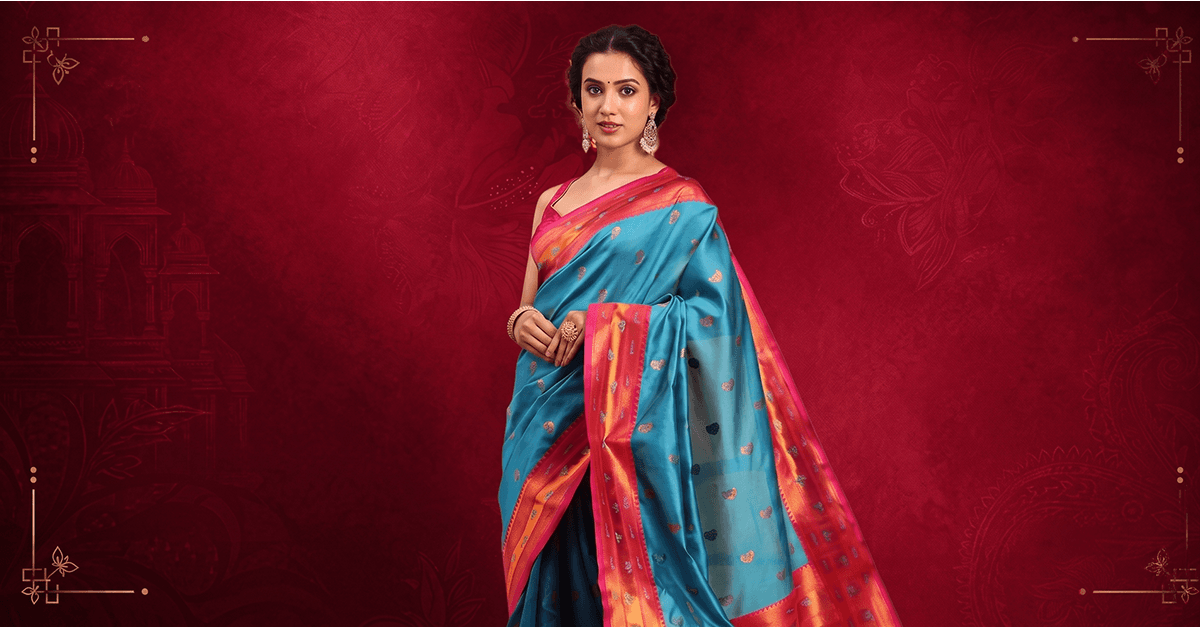
Six yards of fabric. That is all it takes. And yet those six yards have carried women through weddings, harvests, and ordinary Tuesdays for thousands of years. A saree tells you exactly where it comes from the moment you hold it. At Garden Vareli, we have spent years studying the types of sarees that define Indian textile culture. This guide covers sarees, regional weaves, saree fabric names, and how to match both to your life.
What Makes Indian Sarees So Diverse?
India's weaving history stretches back over five thousand years. Each region developed its own loom technique, fiber preference, and design language. Climate shaped what weavers made. Trade routes brought new dyes. Royal patronage demanded specific patterns. The result is an enormous range of saree varieties rooted in geography and community. The types of Indian sarees from Tamil Nadu look nothing like those from West Bengal. That is not a coincidence. It is a craft responding to a place. The diversity of types of sarees across India reflects how deeply textile work is woven into everyday life.
12 Different Types of Indian Sarees
The different varieties of saree found across India reflect centuries of regional craft. This saree varieties name list covers 12 of the most celebrated regional weaves, and these 12 types of sarees span the country from north to south.
Banarasi Sarees
Banarasi sarees from Uttar Pradesh are among the most recognised types of Indian sarees. Known for silk, zari work, brocade patterns, and rich borders, they are widely worn for weddings and festive occasions.
Kanjivaram/Kanchipuram Saree
Kanjivaram sarees from Tamil Nadu are famous for heavy silk, bold borders, and grand pallus. Their temple-inspired motifs and strong structure make them a favourite for South Indian weddings and family celebrations.
Paithani Sarees
Paithani sarees from Maharashtra are known for vibrant colours, silk texture, and decorative zari pallus. Peacock, lotus, and floral motifs give them a rich, festive look.
Bandhani Sarees
Bandhani sarees from Gujarat and Rajasthan stand out for their dotted tie-and-dye patterns. Their bright colours make them ideal for pujas, festive gatherings, and pre-wedding events.
Chanderi Sarees
Chanderi sarees from Madhya Pradesh are loved for their light texture, soft shine, and graceful drape. They work well for daytime events and summer functions.
Tant Saree
Tant sarees from West Bengal are airy, crisp, and comfortable. Their broad borders and simple charm make them suitable for daily wear, pujas, and cultural occasions.
Mysore Silk Saree
Mysore silk sarees from Karnataka are known for their smooth finish and soft sheen. They feel lighter than many heavy silks, which makes them suitable for festive and formal wear.
Chikankari Saree
Chikankari sarees from Uttar Pradesh are admired for delicate embroidery and soft floral threadwork. They are perfect for elegant daytime dressing and intimate gatherings.
Kasavu / Kerala Saree
Kasavu sarees from Kerala are known for their cream or off-white body and gold-toned border. Their simple, dignified look makes them a cultural classic.
Sambalpuri Saree
Sambalpuri sarees from Odisha are recognised for woven motifs and ikat-style patterns. They carry a strong regional identity and are often worn for traditional occasions.
Baluchari Saree
Baluchari sarees from West Bengal are known for artistic pallus with mythological or royal-inspired motifs. They are chosen for occasions where heritage and detail matter.
Patola Saree
Patola sarees from Gujarat are valued for double ikat weaving and sharp geometric patterns. They are special-occasion sarees known for precision, colour, and craftsmanship.
Types of Saree Clothes (Fabric-Based)
Understanding the types of sarees by fabric is as important as knowing them by region. The types of saree clothes you choose change how a saree drapes, breathes, and holds up over time. Knowing the types of saree clothes available helps you buy with purpose. Here are the core saree cloth types every buyer should understand.
Georgette Sarees
Georgette sarees are light, flowy, and slightly textured, which makes them easy to carry for casual outings and formal events. These sarees drape well without looking too stiff. A printed georgette saree works well for daytime wear, while an embellished georgette saree can suit parties and festive evenings.

Chiffon Sarees
Chiffon sarees are sheer, soft, and graceful. They create a delicate fall, so they are often chosen for parties, receptions, and elegant evening looks. Since chiffon sarees are light, they feel comfortable, but they need careful handling because the fabric is fine and can snag easily.

Crepe Sarees
Crepe sarees have a smooth yet slightly crinkled texture. They are a reliable pick for office wear, semi-formal events, and simple festive dressing. A crepe saree does not cling too much, which makes it comfortable for long hours.

Organza Sarees
Organza sarees are crisp, structured, and elegant. They hold their shape beautifully, which gives the drape a polished look. These sarees are a strong choice for festive occasions, weddings, and family functions where you want something light but dressy.
Brasso Sarees
Brasso sarees are known for their velvet-like design on a sheer base. This gives them a distinct texture and a richer finish than many regular saree types. A brasso saree works well for parties and festive gatherings where you want a fabric that feels different without being too heavy.

Satin Sarees
Satin sarees have a glossy finish and a smooth fall. They look refined and work well for evening events, cocktail functions, and formal occasions. Since satin sarees can show pleats clearly, they need neat draping to bring out their best look.

Viscose Sarees
Viscose sarees are soft, affordable, and comfortable for regular wear. They offer a good introduction to different types of saree material because they are easy to drape and usually feel light on the body. A viscose saree is suitable for daily use, office wear, and simple gatherings.

Linen Sarees
Linen sarees are textured, breathable, and ideal for warm weather. They have a natural, slightly crisp look that feels simple but stylish. A linen saree is a good choice for summer, casual wear, and workwear because it keeps the drape comfortable through the day.
The saree cloth types you pick should match your climate, body type, and occasion. Understanding the saree material type makes every purchase more confident.
Types of Sarees Based on Occasion
Not every saree fits every moment. The different style of sarees available today covers everything from festive halls to Monday mornings. Knowing which types of sarees suit which occasions makes the choice far simpler. The types of saree clothes for each occasion also vary widely.
Festive Sarees
Festive sarees often carry brighter colours, decorative details, and a more celebratory feel. Bandhani, Patola, and silk sarees work well for this, since they bring colour, craft, and visual energy without always feeling as heavy as wedding sarees. They suit pujas, family gatherings, and festival dressing where tradition and joy both matter.
Office Wear Sarees
Office wear sarees are usually lighter, neater, and easier to manage through the day. Crepe, linen, cotton, and Chanderi sarees are often preferred here, since they offer comfort along with a polished look. These sarees work best in cleaner colours, subtle prints, and simple borders that feel professional without looking dull.
Party Wear Sarees
Party wear sarees are chosen for a more styled and dressy appearance. Georgette, chiffon, satin, and embroidered sarees are common picks, since they drape well and feel lighter to carry for longer hours. They are well suited to evening events, receptions, and celebrations where the look needs a bit more glamour.
Casual Sarees
Casual sarees are all about ease, comfort, and simple styling. Cotton, viscose, and softer everyday blends are often chosen for this category, since they are light on the body and easy to wear without much effort. These sarees suit informal outings, relaxed family visits, and low-key daytime plans.
Wedding Sarees
Wedding sarees are usually richer in fabric, colour, and surface detail. Banarasi and Kanjivaram sarees are popular choices here, since their silk body, woven zari work, and traditional presence suit grand ceremonies well. These sarees are chosen for moments where the outfit needs to feel formal, festive, and memorable.
Daily Wear Sarees
Daily wear sarees need to be practical, breathable, and easy to maintain. Tant, cotton, and linen sarees are commonly worn for regular use, especially in warmer weather and long routine days. They may look simple, but the best daily wear sarees still carry grace through their drape, border, and overall neatness.
The different styles of sarees for different occasions also show why fabric choice matters so much. A heavy Banarasi works beautifully at a wedding, but it may feel out of place at a casual lunch. In the same way, a soft cotton saree can be perfect for daily wear, but not every celebration calls for that kind of simplicity.
How to Choose the Right Saree for You
Start with the occasion. Then think about your climate and body type. Tall women carry heavy silks well. Petite women often look better in lighter saree fabric names like georgette or chiffon. Not all types of sarees work for all body shapes. Beginners do best with cotton or crepe, as both hold pleats without constant adjustment. The types of sarees you gravitate toward will shift over time, and that is natural. Among the different varieties of sarees available at Garden Vareli, there is always a practical choice once you know what to look for. Saree material type matters as much as the weave or the border design. Choosing the right saree fabric type is often the first decision that makes everything else click.
Where to Buy Authentic Saree Varieties Online
Garden Vareli brings together contemporary weaves, prints, and fabric combinations across sarees and ethnic wear. The collection also includes Banarasi-style options, which makes it easier to browse sarees by fabric, look, and use case. We list saree fabric names alongside weave origin and material details on every product page. You will find saree varieties for every budget, body type, and occasion. Every piece is verified for authenticity. Shop with us, and you will know exactly what you are buying and who made it.
Conclusion
The types of sarees across India are not simply different types of Indian saree weaves. There are different ways of understanding craft, place, and occasion. A Tant speaks to Bengal. A Kasavu speaks to Kerala. At Garden Vareli, we carry saree varieties that honor those stories. Explore our full range of different varieties of sarees and find the one that fits you. Among the types of Indian sarees we stock, there is always one waiting to be worn.
Frequently Asked Questions
01.How many types of sarees are there in India?+
02.What are the main saree cloth types?+
03.Which saree fabric is best for daily wear?+
04.What is the difference between silk and chiffon sarees?+
05.What type of saree is best for a beginner?+
06.Which sarees are best for weddings?+
<style> .blog-content figure > div { aspect-ratio: initial !important; } </style>
end of story