
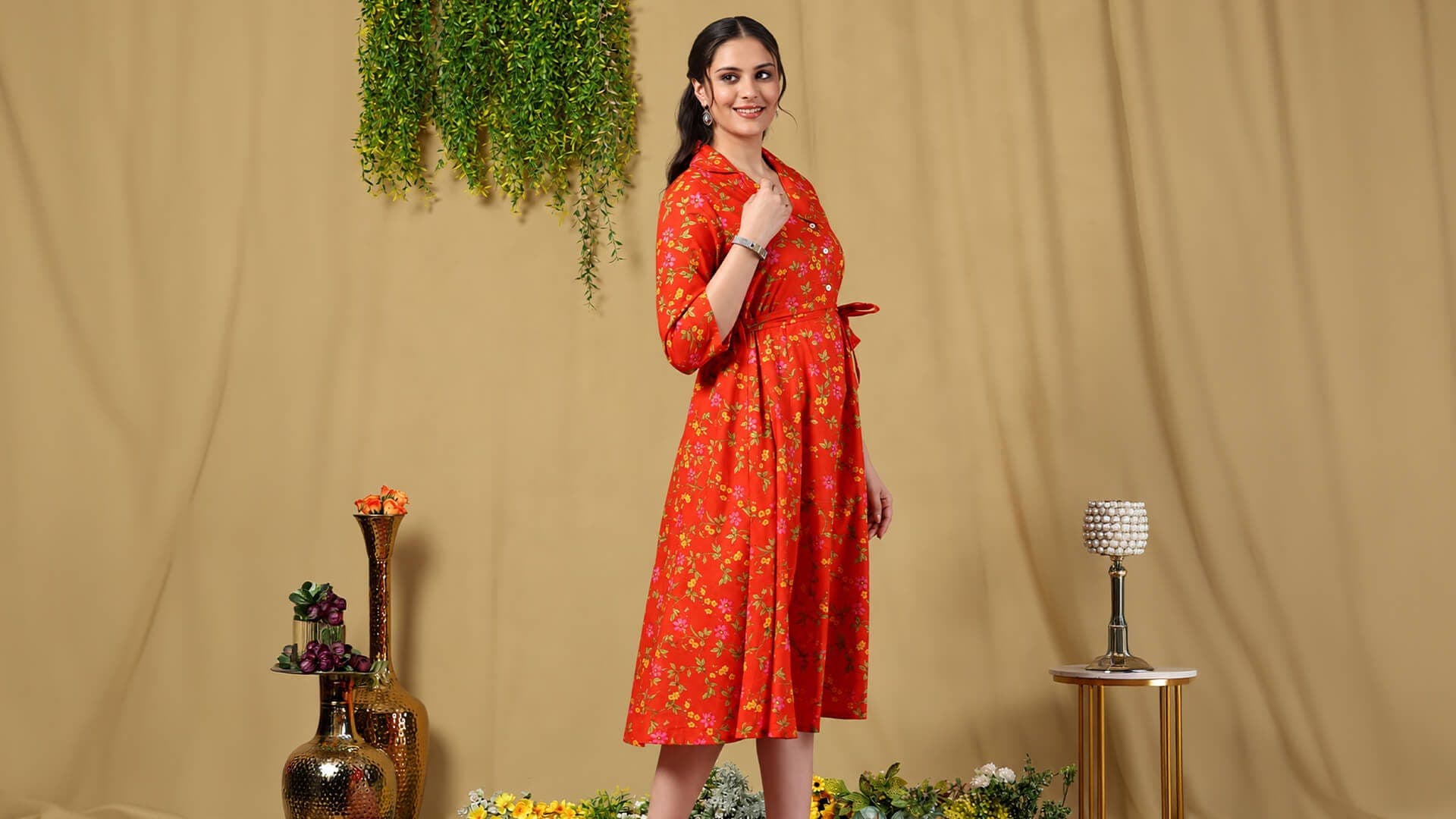

Some outfits earn their place in your wardrobe by being beautiful. Others stay because they simply work. The salwar suit manages both.
A salwar suit is an Indian outfit built around a kameez or kurta, coordinated bottom wear and, traditionally, a dupatta. Yet that simple description opens up a surprisingly varied wardrobe. The many types of salwar suits can look completely different depending on the kurta cut, bottom, fabric and occasion they are designed for.
That is also what makes choosing one confusing. A straight kurta and an A-line kurta may suit different days. Palazzos change the shape of an outfit more than leggings do. Cotton feels right for a long summer afternoon, while fluid georgette can move easily from dinner to a festive gathering.
This guide sorts salwar suits in four useful ways: by style, by bottom wear, by fabric and by occasion. Think of it as a wardrobe map. Once you know which detail matters most to you, whether that is comfort, shape, weather or where you are going, finding the right suit becomes much simpler.
What Is a Salwar Suit?
A salwar suit is a three-piece Indian outfit consisting of a kameez or kurta, bottom wear and a dupatta. You wear all three as separate garments rather than draping them like a saree, making it quick to put on and easy to adapt to everyday life.
The kameez forms the upper half of the outfit and can be straight, fitted, A-line or flared. The bottom creates the second part of the silhouette and may take the form of a traditional salwar or a contemporary palazzo, trouser, pant or legging. The dupatta completes the traditional three-piece structure, although many modern sets simplify or reinterpret it.
Among the different types of salwar suits, these three elements can change independently. A longer straight kurta worn with narrow pants creates a neat vertical line, while a flared kurta with wider bottoms feels softer and more fluid.
The outfit has particularly strong associations with North India, although it is now worn across the country in regional and contemporary variations.
How is a salwar suit different from a saree?
A saree is a single, long piece of cloth that is draped around the body. A salwar suit consists of separate upper and lower garments that don’t require any draping to form the basic outfit.
Does every modern salwar suit have a dupatta?
Not necessarily. Traditional versions usually do, while contemporary kurta and co-ord sets may be designed without one.
Salwar Suit vs Kurta Set vs Co-ord Set
These names often appear side by side while shopping, but they do not always describe the same outfit.
In short, “salwar suit” describes the traditional outfit family, while kurta sets and co-ords are broader modern formats with different combinations of separates.
Types of Salwar Suits by Style
Kurta Sets
Cut: A kurta set centres on a coordinated kurta and bottom, sometimes completed with a dupatta.
Best occasion: It works well for daily wear, office days, family lunches and small celebrations.
Who it flatters: The wide choice of lengths and cuts makes it easy to find a proportion that works across body shapes.
Co-ord Sets
Cut: Co-ord sets pair matching or closely coordinated separates, usually with a cleaner contemporary silhouette.
Best occasion: They are useful for casual outings, travel, lunches and relaxed social plans.
Who it flatters: Since the top and bottom read as one visual unit, co-ords can create an easy, pulled-together look across different proportions.
Jumpsuits (Fusion Ethnic)
Cut: A fusion jumpsuit combines the ease of a one-piece silhouette with details inspired by Indian dressing.
Best occasion: It suits dinners, informal celebrations and contemporary festive events.
Who it flatters: Different waist placements and leg widths let you choose between a defined or more relaxed shape.
Types of Salwar Suits by Bottom Wear
Salwar suits are commonly named either after the cut of the kameez or after the bottom they are paired with. That distinction makes shopping easier because bottom wear can change the entire proportion of the same kurta.
Palazzo Suits
Palazzo suits use wide-legged bottoms that add movement below the kurta. They work particularly well with straight or moderately flared kurtas that allow the width of the palazzo to remain visible. With longer kurtas, keep the upper silhouette relatively clean so the outfit does not feel bulky.
Pant & Trouser Style Suits
Pants and trousers give a salwar suit a sharper, more structured base. Their straight or tapered shape pairs naturally with knee-length and longer straight-cut kurtas. This combination is especially useful for office dressing or occasions where you want ethnic clothing to feel crisp rather than heavily layered.
Legging-Paired Kurta Sets
Leggings sit close to the leg and create a narrow base beneath the kurta. They pair best with longer straight, A-line or gently flared kurtas that provide enough coverage and visual balance. Since the bottom adds very little volume, the kurta remains the main focus of the outfit.
Types of Salwar Suits by Fabric
Fabric affects far more than appearance. It changes how a suit falls, how it feels after several hours and whether it makes sense for a humid afternoon, an office day or an evening celebration. This fabric-first way of choosing ethnic wear for women is also central to Garden Vareli, where familiar Indian wardrobe fabrics such as georgette, chiffon, crepe, satin and viscose appear across different styles and occasions. If you already know which fabrics you enjoy wearing in sarees, the same understanding of weight, flow and feel can make choosing a salwar suit easier.
Cotton
Cotton feels breathable and familiar against the skin, making it a sensible choice for warm weather and long hours. Its relatively crisp character can give everyday kurtas a neat shape without making them feel too formal. Cotton suits are particularly useful for daily wear, commuting and relaxed office dressing.
Georgette
Georgette has a lightly grainy surface and a fluid fall. It offers movement without the fabric feeling excessively delicate, which makes it useful across daytime and evening wardrobes. A georgette collection can work for festive events, dinners and dressier everyday occasions. If fabric construction matters to your decision, a guide to what georgette fabric is can help you understand its texture and behaviour before choosing a style.
Chiffon
Chiffon is lightweight, airy and known for its soft, flowing movement. It feels particularly suited to warmer months or occasions where you want the outfit to look light rather than structured. Explore a chiffon collection when choosing pieces for lunches, gatherings and festive evenings where an easy drape is useful.
Crepe
Crepe usually has a softly textured surface and a flowing yet controlled fall. It tends to move without appearing overly sheer or stiff. Depending on the construction and print, crepe works well for office events, dinners, festive wear and occasions that call for a slightly dressier finish.
Satin
Satin is loved for its smooth surface and shine. It generally feels more polished than everyday cotton or rayon, so it is better suited to evening events, parties and festive dressing. You can keep the rest of the styling minimal if you want the satin to remain the focus.
Viscose & Rayon
Viscose and rayon are valued for their softness and fluidity. They tend to sit comfortably against the body and move easily, making them useful for warm days and extended wear. Depending on print and construction, these fabrics can cover casual outings, workdays and small family occasions without requiring elaborate styling.
Types of Suits for Women by Occasion
The most useful way to understand types of suits for women is often to start with where you plan to wear them. Here, “suits” refers specifically to Indian ethnic suits, not Western blazer-and-trouser suits.
Once the occasion is clear, both silhouette and fabric become easier to choose.
Daily & Casual Wear
For everyday use, prioritise movement and comfort. Cotton, viscose and rayon work naturally with straight kurtas, leggings and relaxed pants. Choose uncomplicated shapes that let you sit, walk, commute and handle a full day without constant adjustment.
Office & Work Wear
Workwear benefits from a clean outline. Straight-cut kurta sets with pants or trousers are an easy starting point, especially in cotton, crepe or soft viscose. Keep prints and accessories balanced rather than avoiding them altogether. The aim is to look composed while staying comfortable through long working hours.
Festive Wear
Festive outfits can carry more movement, colour and surface interest. A-line or flared kurtas in georgette, chiffon, crepe or satin make useful choices for pujas, festive lunches and family gatherings. A dupatta can add another layer without requiring heavy jewellery.
Wedding & Party Wear
For wedding functions and parties, consider fluid fabrics and silhouettes that hold their presence in an evening setting. Flared kurta sets, georgette styles, satin pieces or contemporary fusion options can all work. Instead of adding detail everywhere, choose one focus such as the fabric, dupatta, jewellery or footwear.
How to Style a Salwar Suit
A good salwar suit does not need many accessories. It needs the right ones.
Start with the dupatta. Drape it over one shoulder for a clean everyday look, let it fall evenly over both shoulders for a traditional finish, or gather it neatly on one side when you need your hands free. Footwear should follow the setting: flats for daily wear, loafers or simple closed shoes for work, and juttis or dressier sandals for celebrations.
Match jewellery weight to the outfit. Small earrings and a watch are often enough for work. Festive clothing can take larger earrings, bangles or one noticeable neckpiece. In cooler weather, choose a neat long jacket or shawl rather than several competing layers.
For daily wear, try a cotton kurta with leggings, flats and small studs. For office, pair a straight kurta with trousers, simple earrings and structured footwear. For a festive event, combine an A-line georgette kurta set with a dupatta, juttis and statement earrings. For a party, try a fluid kurta with palazzos, dressy sandals and one stronger jewellery piece.
Explore Salwar Suits at Garden Vareli
Backed by Garden Silk Mills’ 80+ years of experience in Indian textiles, Garden Vareli approaches ethnic dressing with a fabric-first understanding of how clothes need to feel, fall and function in real wardrobes.
The Garden Vareli salwar suits range brings together options for everyday dressing, work, festive plans and occasions, including kurta sets and co-ord sets.
Conclusion
Salwar suits can be understood through four practical filters: the shape of the outfit, its bottom wear, the fabric it uses and the occasion it needs to serve. Once you separate those choices, a large category becomes much easier to navigate.
Before buying your next set, ask three things: Where will I wear it? Which silhouette feels comfortable on me? Which fabric suits the weather and the hours I will spend in it? Those answers will take you closer to the right outfit than choosing by trend alone.
Frequently Asked Questions
01.What is the difference between a salwar suit and a kurta set?+
02.Is a salwar suit the same as a salwar kameez?+
03.What is the difference between a kurta set and a co-ord set?+
04.What is the difference between a kurta and a kurti?+
05.Which type of salwar suit is most comfortable for daily wear?+
end of story